How Smart Technology is Shaping Modern Architecture.
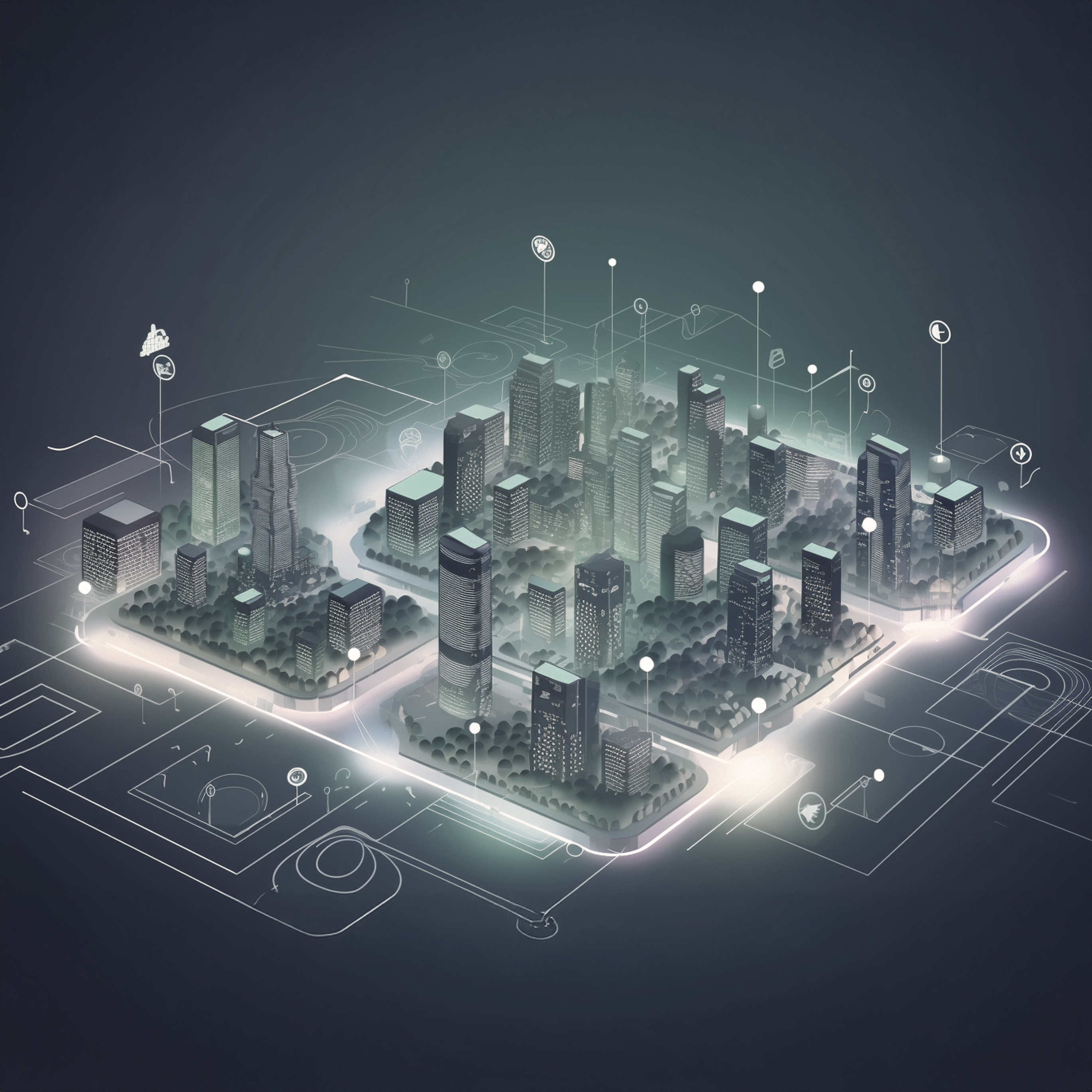
The integration of technology into our daily lives has revolutionized various industries, and architecture is no exception. Smart technology is transforming how we design, build, and experience buildings. From energy-efficient systems to automated controls, smart architecture is redefining the future of design.

1. Building Automation Systems (BAS)

  • Centralized Control: BAS allows for centralized control of various building systems, such as HVAC, lighting, and security.
  • Energy Efficiency: By optimizing energy consumption, BAS can significantly reduce operational costs.
  • Remote Monitoring and Control: Remote access and control of building systems enable efficient maintenance and troubleshooting.

2. Internet of Things (IoT)

  • Smart Sensors: IoT devices collect real-time data on various parameters, such as temperature, humidity, and occupancy.
  • Predictive Maintenance: By analyzing sensor data, predictive maintenance can be implemented to prevent equipment failures.
  • Personalized Environments: IoT-enabled systems can create customized environments for occupants, such as adjusting lighting and temperature to individual preferences.

3. Artificial Intelligence (AI)

  • Design Optimization: AI algorithms can analyze vast amounts of data to optimize building designs for energy efficiency, structural integrity, and aesthetic appeal.
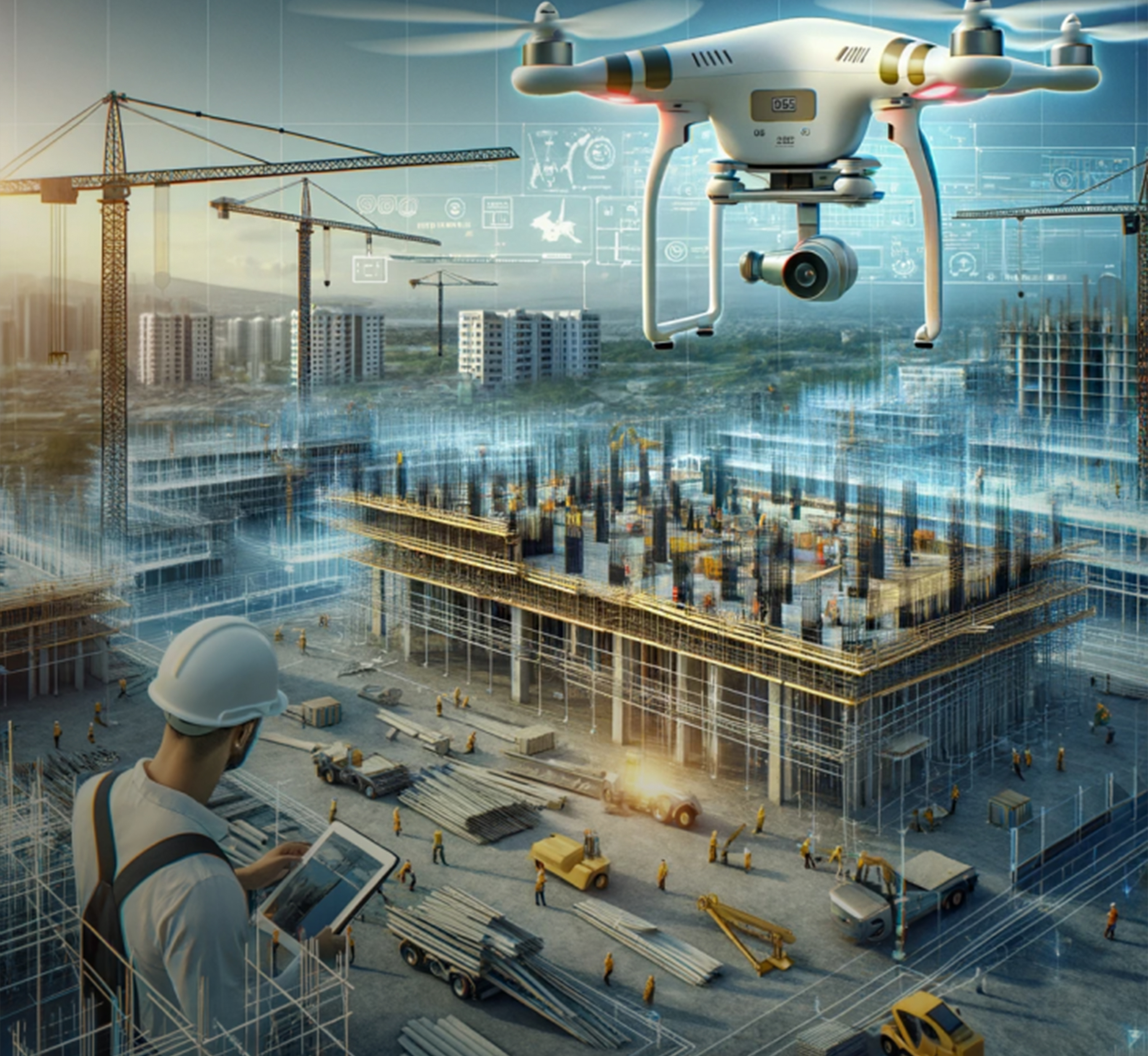
  • Construction Automation: AI-powered robots and drones can automate construction tasks, increasing efficiency and reducing labor costs.
  • Predictive Analytics: AI can predict future building performance and identify potential issues before they arise.

4. Virtual and Augmented Reality (VR/AR)

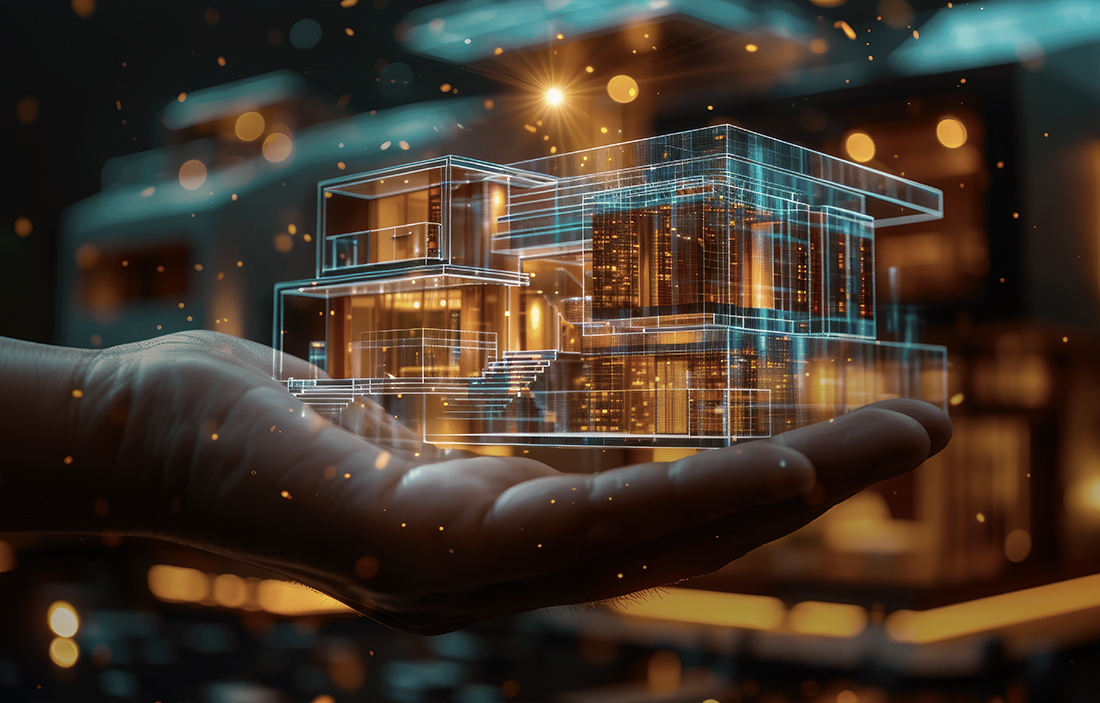
  • Design Visualization: VR and AR technologies allow architects and designers to visualize and experience their designs in immersive 3D environments.
  • Client Collaboration: VR and AR can enhance collaboration between architects, clients, and contractors, leading to better decision-making and project outcomes.

Benefits of Smart Architecture

  • Energy Efficiency: Reduced energy consumption and lower operational costs.
  • Improved Indoor Air Quality: Enhanced air quality and thermal comfort.
  • Increased Productivity: Optimized lighting, temperature, and acoustics can boost occupant productivity.
  • Enhanced Security: Advanced security systems and remote monitoring capabilities can protect buildings and their occupants.
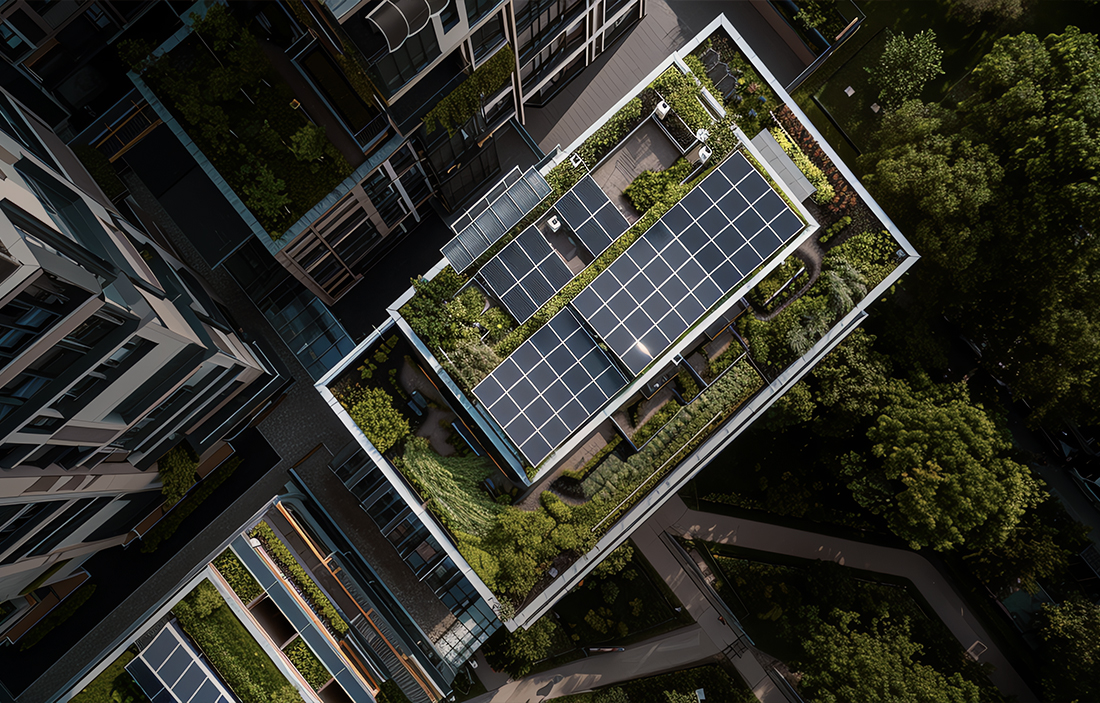
  • Sustainable Design: Integration of renewable energy sources and sustainable materials.

As technology continues to advance, the possibilities for smart architecture are endless. By embracing innovation and adopting smart technologies, we can create buildings that are not only beautiful and functional but also sustainable and resilient.