Building for the Future: Sustainable and Adaptable Designs
In today’s rapidly changing world, the concept of sustainability has taken center stage. It’s no longer just about environmental impact; it’s about creating buildings that are resilient, adaptable, and future-proof. We believe that sustainability is the cornerstone of timeless architecture.
Energy Efficiency
- Passive Design: Utilizing natural light and ventilation to reduce energy consumption.
- High-Performance Building Envelopes: Implementing advanced insulation and air sealing techniques.
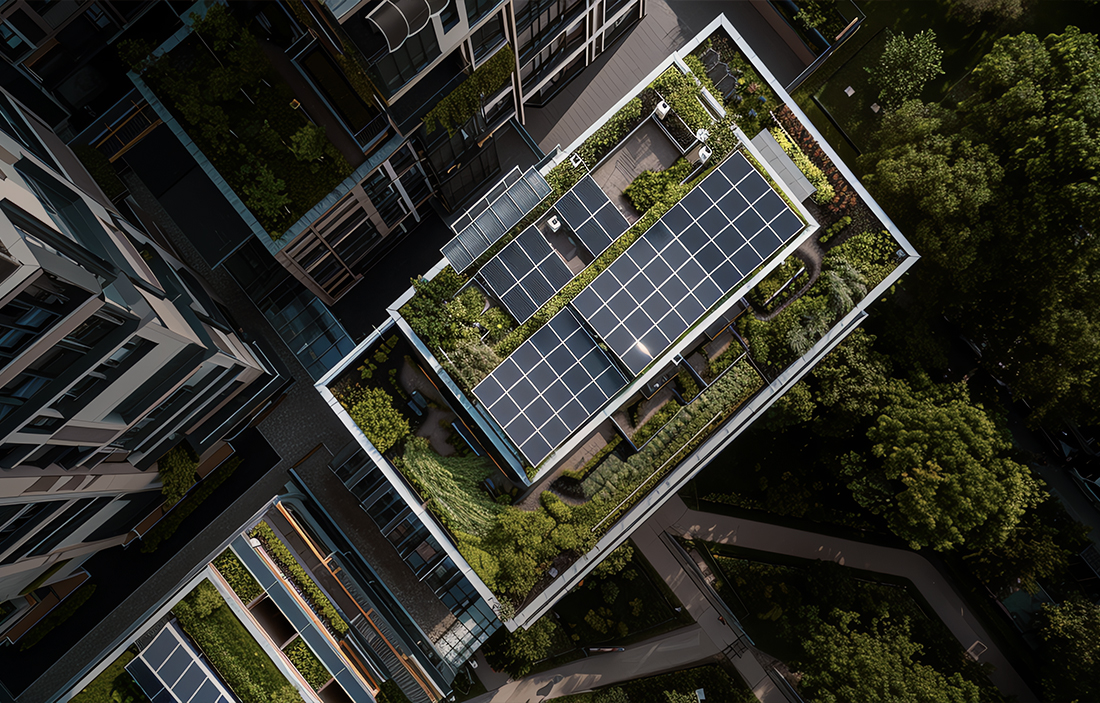
- Renewable Energy Integration: Incorporating solar, wind, or geothermal energy systems.
- Efficient HVAC Systems: Optimizing heating, ventilation, and air conditioning systems.
Water Conservation
- Water-Efficient Fixtures: Using low-flow plumbing fixtures to reduce water usage.
- Rainwater Harvesting: Collecting and storing rainwater for irrigation and other non-potable uses.
- Greywater Recycling: Reusing wastewater for non-potable purposes like toilet flushing and irrigation.
- Xeriscaping: Designing landscapes that require minimal water.
Material Selection
- Locally Sourced Materials: Using materials sourced from nearby regions to reduce transportation emissions.
- Recycled and Reclaimed Materials: Incorporating materials that have been recycled or reclaimed.
- Sustainable Forestry: Selecting timber from sustainably managed forests.
- Low-VOC Materials: Choosing materials with low volatile organic compound emissions to improve indoor air quality.
Healthy Indoor Environments
- Indoor Air Quality: Implementing ventilation systems and air-purifying technologies.
- Daylighting: Maximizing natural light to enhance occupant well-being and reduce energy consumption.
- Thermal Comfort: Designing spaces that are comfortable year-round, minimizing the need for artificial heating and cooling.
- Acoustic Comfort: Controlling noise levels to create peaceful and productive environments.
Adaptability
- Flexible Spaces: Designing spaces that can be easily reconfigured to accommodate changing needs.
- Modular Construction: Using modular building systems to allow for future expansion or modification.
- Future-Proofing Technology: Incorporating technology that can be easily updated and upgraded.
- Resilient Design: Building structures that can withstand extreme weather events and other natural disasters
By embracing sustainable design principles, we can create buildings that not only meet the needs of today but also stand the test of time. These structures will be resilient to climate change, adaptable to future trends, and leave a positive impact on the environment.
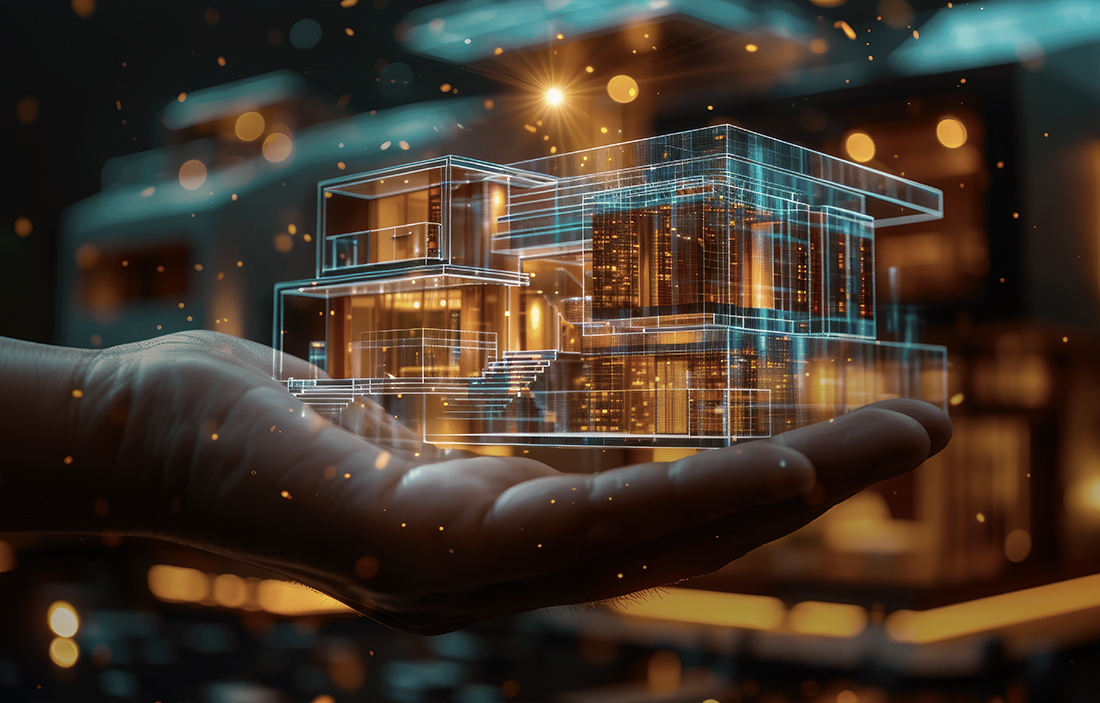
How Smart Technology is Shaping Modern Architecture.
The integration of technology into our daily lives has revolutionized various industries, and archit