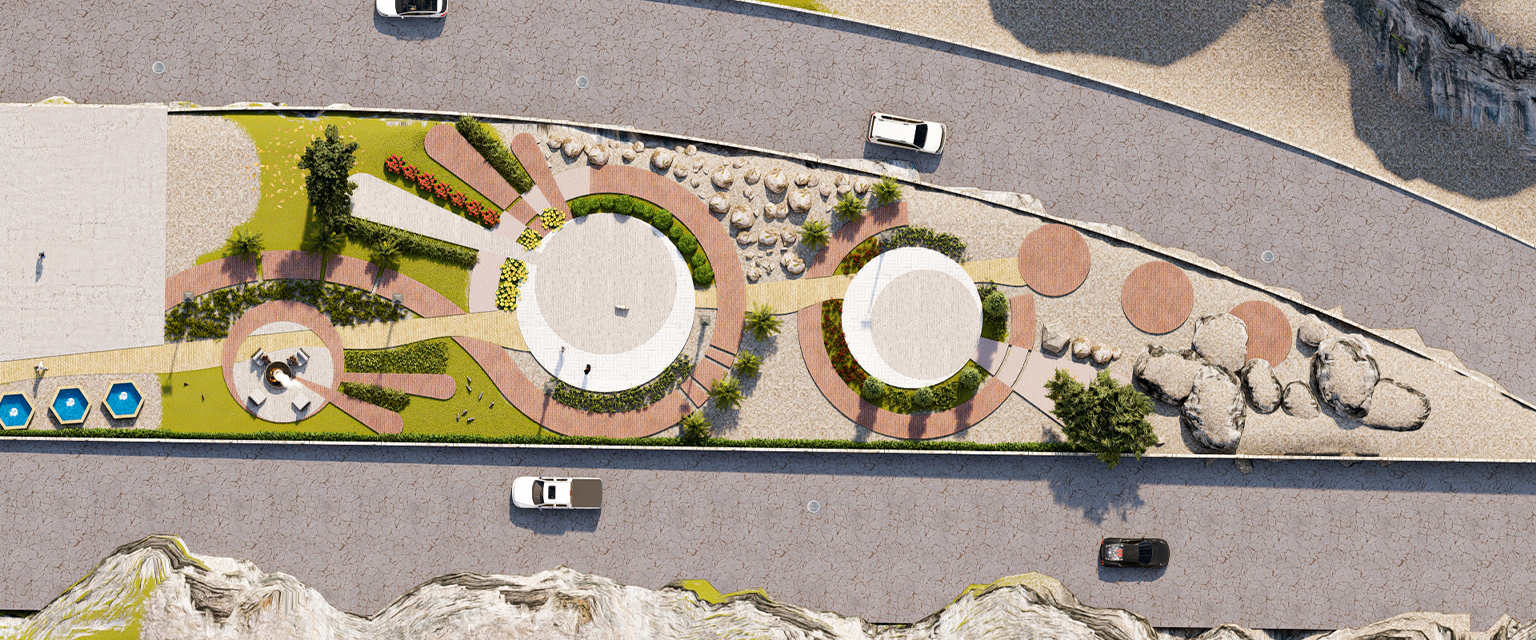
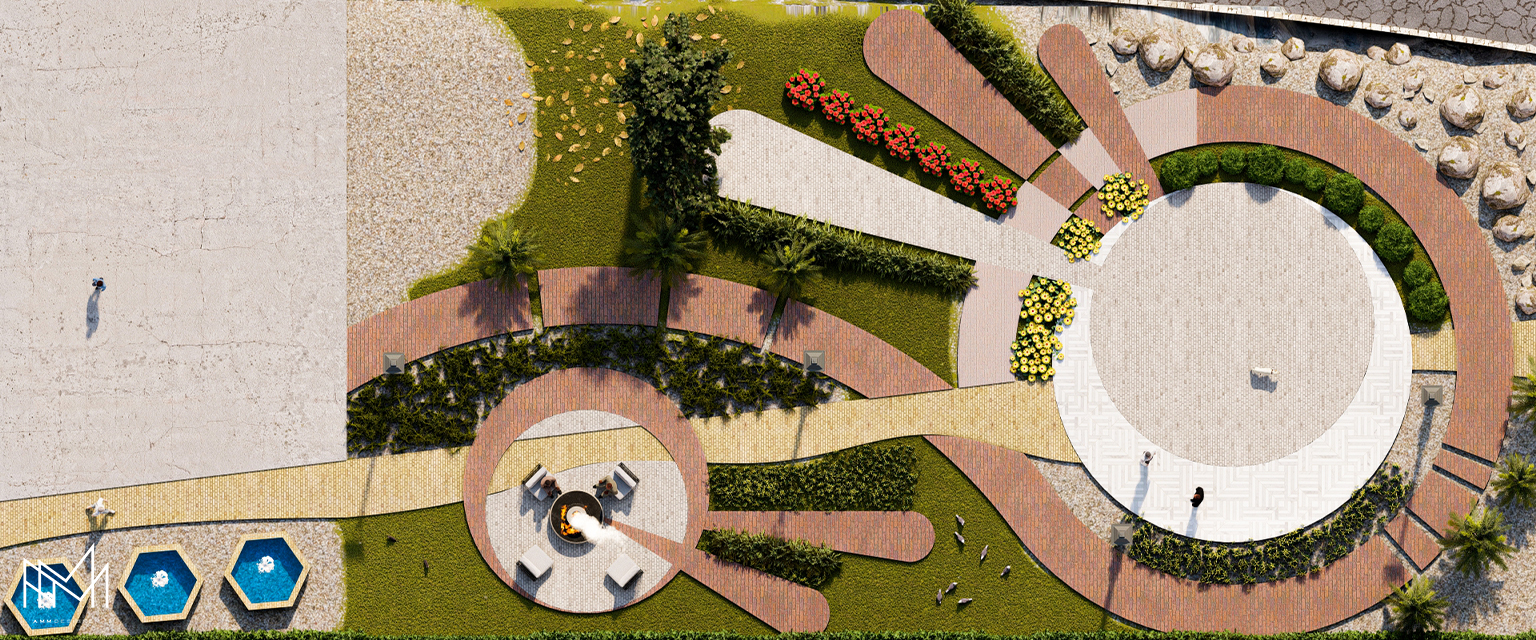
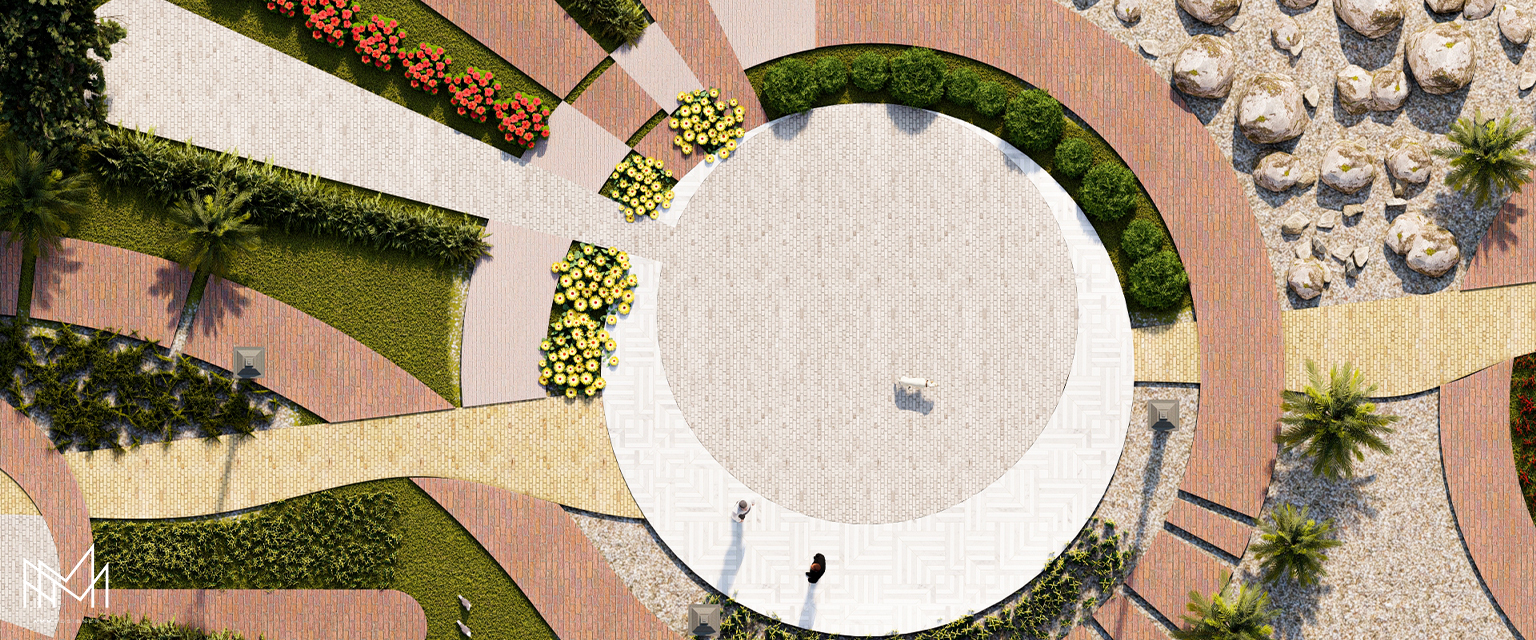
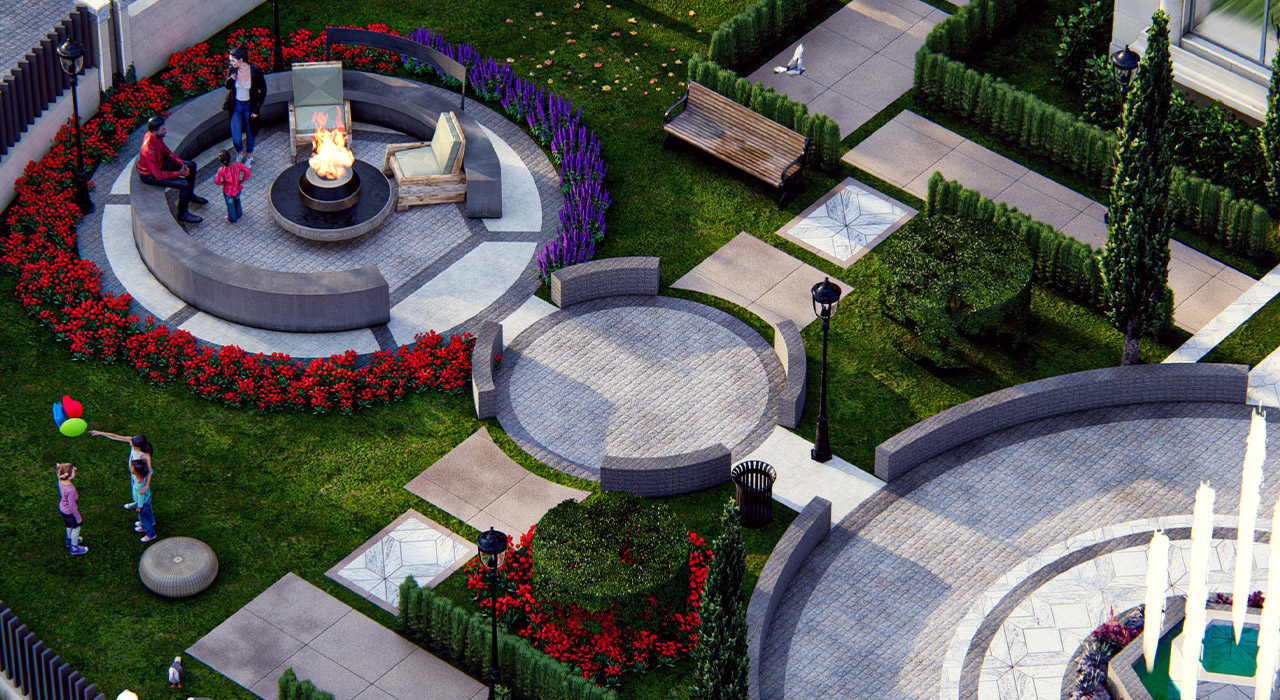
Classic Landscape Design iI

Classic landscape design is a traditional approach to outdoor spaces that emphasizes symmetry, balance, and formal structure. Inspired by European garden styles, especially from the Renaissance and Baroque periods, this design complements the villa’s architecture while creating a harmonious and aesthetically pleasing environment.


  • Symmetry and Balance
    • Formal Layouts: Symmetrical arrangements with a central focal point, such as a grand entrance, fountain, or statue.
    • Geometric Patterns: Straight lines, squares, and circles define the design of lawns, flower beds, and pathways.
  • Geometric Patterns
    • Boxwood Hedges: Neatly trimmed borders create distinct spaces.
    • Topiary: Sculpted bushes in spiral, ball, or geometric shapes add elegance.
    • Trellises: Supporting climbing plants, they help frame and define areas.
  • Water Features
    • Fountains and Reflecting Pools: Central elements that enhance the landscape with sound and movement.
    • Water Channels: Inspired by classic Italian and French garden designs.
  • Formal Pathways
    • Straight Walkways: Structured paths of gravel, stone, or brick for navigating the garden.
    • Stepping Stones: Decorative accents for informal areas.

5.Mature Trees and Shrubs

    • Defined Planting Beds: Ornamentally arranged trees, shrubs, and flowers.
    • Shade Trees: Symmetrically placed to provide elegance and functionality.

6.Classic Garden Structures

    • Gazebos, Pergolas, and Arbors: Draped with climbing plants for charm.
    • Statues and Sculptures: Classical elements serving as focal points.

7.Plant Choices

    • Flower Beds: Bold patterns with seasonal blooms like tulips, roses, and peonies.
    • Herb Gardens: Neatly arranged, reflecting European traditions.

8.Privacy and Screening

    • Walls and Hedges: Providing seclusion while maintaining elegance.
    • Plant Screens: Creating intimate garden “rooms.”

9.Color Palette

    • Monochromatic Schemes: Harmonious tones with contrasting elements.
    • Evergreens: Year-round structure and vibrancy.

10 Lawn and Turf Areas

    • Expansive Lawns: Open spaces complementing the villa’s architecture and structured garden elements.

11.Formal Garden Rooms

    • Sections like rose gardens, vegetable plots, or woodland retreats offer diversity, defined by hedges or walls.

Inspiration

  • French Formal Gardens (e.g., Versailles): Known for symmetry and grandeur.
  • Italian Renaissance Gardens (e.g., Villa d’Este): Highlighting terracing and structured elegance.
  • English Formal Gardens: Combining symmetry with a relaxed aesthetic.
Style:
Classic
Country:
Lebanon